
finest
Medical Spa






Medical Spa FAQs
A med spa is a facility that offers cosmetic treatments in a setting that combines aesthetic services with medical oversight. Unlike a traditional day spa, a med spa may provide treatments that affect the skin, tissue, or body more deeply than surface-level services. These treatments can include injectables, skin rejuvenation, laser services, body contouring, and other non-surgical cosmetic options. The goal is often to help improve appearance, support skin health, and provide personalized treatment plans based on each client’s needs.
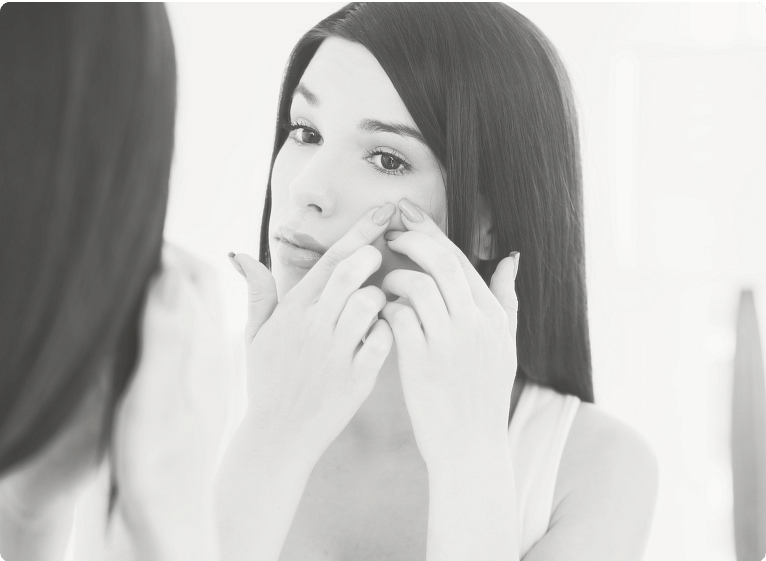
A day spa usually focuses on relaxation services, such as massages, basic facials, body scrubs, and other wellness treatments. A med spa offers cosmetic procedures that may use medical-grade products, advanced devices, or techniques that require trained professionals. Many med spa treatments are designed to improve specific concerns, such as wrinkles, acne scars, uneven skin tone, unwanted hair, or volume loss. While both settings may feel relaxing, a med spa typically provides more results-focused services.
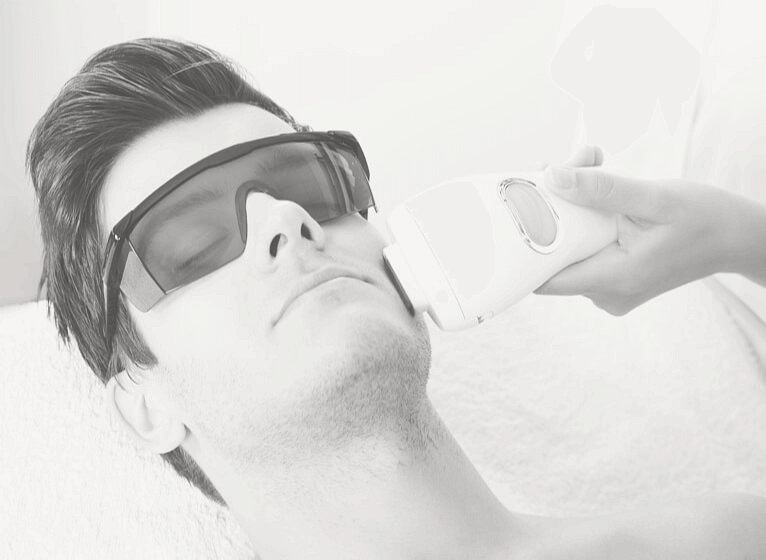
Common med spa treatments may include Botox, dermal fillers, chemical peels, microneedling, laser hair removal, skin tightening, and facial rejuvenation services. Some med spas also offer body contouring, medical-grade skincare, acne treatments, and anti-aging services. The available treatments can vary depending on the provider, equipment, licensing, and focus of the practice. A consultation is usually the best way to learn which treatments may be appropriate for a specific concern.
Many med spa treatments begin with a consultation so the provider can understand the client’s goals, medical history, skin type, and treatment expectations. This step helps determine whether a service is appropriate and whether another option may produce better results. A consultation also gives clients a chance to ask questions about cost, downtime, maintenance, and what to expect before and after treatment. For treatments involving injectables, lasers, or stronger skincare products, a consultation is especially important.
Most med spa treatments are designed to be tolerable, although the level of discomfort can vary based on the procedure and the person receiving it. Some treatments may feel like a quick pinch, mild heat, pressure, tingling, or temporary stinging. Providers may use numbing cream, cooling devices, or other comfort measures when appropriate. During a consultation, clients can ask what the treatment feels like and whether any comfort options are available.
The length of results depends on the treatment, the client’s body, the condition being addressed, and the recommended maintenance plan. Some services, such as certain facials or peels, may create a short-term glow that improves with regular appointments. Other treatments, such as injectables, laser services, or collagen-stimulating procedures, may last for several months or longer. A provider can explain the expected timeline and how often follow-up treatments may be needed.
Some med spa treatments have little to no downtime, while others may cause temporary redness, swelling, peeling, bruising, or sensitivity. The amount of recovery time depends on the treatment type, treatment strength, and the client’s skin response. Many people return to normal activities quickly, but some services may require avoiding sun exposure, heavy exercise, makeup, or certain skincare products for a short period. Clients should always follow aftercare instructions to help support safe healing and better results.
Schedule a Consultation